Empowering Lives: Navigating the Journey Through Oncology and Holistic Health
Picture this: you’re in the doctor’s office, and the words ‘malignancy’ and ‘carcinoma’ land like a heavy stone in your stomach. The whirlwind of emotions is dizzying. But what if I told you that the journey through oncology doesn’t have to be one of solely medical treatments? The role of nutrition and lifestyle in recovery has become a beacon of hope for many fighting against tumors and neoplasms. By focusing on holistic health, patients can reclaim a part of their lives and enhance not only their recovery but their overall quality of life.
Imagine for a moment that you have just been diagnosed with cancer. You are overwhelmed by the sheer volume of information, medical terms like chemotherapy, immunotherapy, and radiation therapy linger in the air, while thoughts of treatment side effects and symptoms consume your mind. However, amidst the chaos, nutrition can serve as a powerful ally. By adapting a lifestyle that emphasizes whole foods and balanced nutrition, you can pave the way for not just survival but thriving. How can you begin to take charge of your health?
Incorporating healthy nutrition into your daily routine can sound daunting, but it doesn’t have to be! Taking the time for meal prep, planning nutritious menus, and understanding the importance of patient support from family and community can enhance your experience. As one survivor puts it, ‘Eating well helped me feel more in control amidst the uncertainty of my treatment.’ Finding ways to embrace healthy habits can provide a sense of agency, a crucial component in managing the emotional toll of battling cancer.
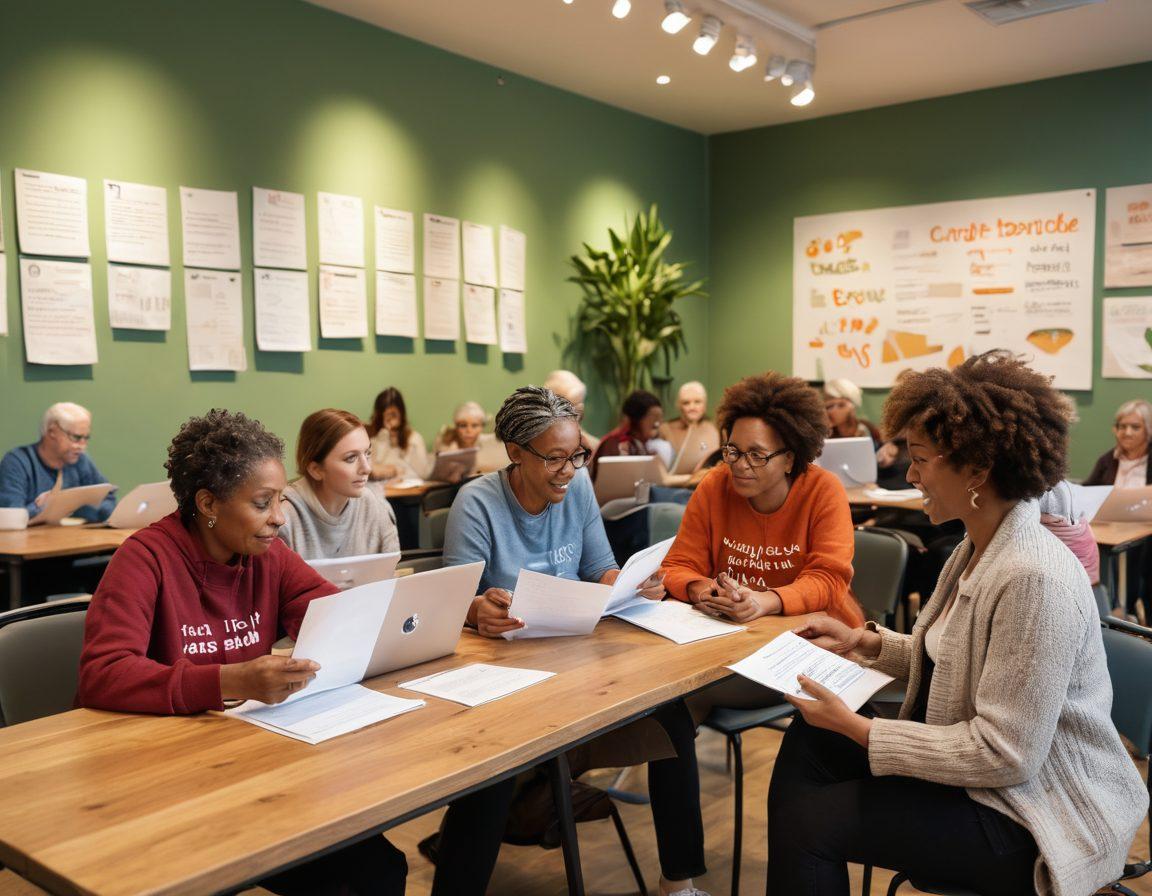
Moreover, community support plays an integral part in the journey through oncology. Connecting with fellow patients and survivors can provide emotional relief and motivation. Have you ever considered how much power can arise from sharing experiences and coping strategies? Engaging in advocacy, whether it be through awareness campaigns or support groups, can transform not just your recovery but the quality of life for many. Through shared stories, you empower not only yourself but those around you—transforming your battle against cancer into a collective one.
Lastly, the need for psychosocial support during rehabilitation cannot be understated. The road to recovery is often laden with grief, uncertainty, and marketing myths surrounding health and wellness. Education becomes the key. Investing in health education can illuminate your path through preventive care and screening. Beyond that, knowing that others have walked the same path can lend immeasurable support. Whether it’s a loved one helping with meal preparation, or joining a community workshop, reaching out can turn isolation into a concerted effort of resilience. Let your journey through oncology be not only about surviving the disease but thriving beyond it.
From Diagnosis to Survivorship: How Holistic Health Fuels Patient Empowerment
Navigating the path from diagnosis to survivorship in the realm of oncology can feel daunting. Imagine receiving a diagnosis of a malignancy, be it carcinoma or any form of neoplasm. The flood of emotions can be overwhelming—fear, confusion, and uncertainty often cloud one’s mind at such a moment. Yet, within this chaotic time lies the possibility of empowerment through holistic health. By integrating mind, body, and spirit into their treatment journey, patients can take proactive steps towards healing, making the process not merely about survival, but about thriving.
"Empowerment isn’t just about surviving the diagnosis; it’s about choosing to thrive despite it." This powerful quote reflects the essence of what holistic health can offer to individuals navigating their cancer journey. When patients are introduced to both conventional treatments like chemotherapy, radiation therapy, and immunotherapy alongside lifestyle changes, such as nutrition and rehabilitation, it creates a synergistic effect. Research shows that a nourished body can better handle the side effects of treatment, while a positive mindset, bolstered by psychosocial support, can enhance one's quality of life during these challenging times.
Engaging in preventive care starts before any symptoms appear. Regular screenings and being aware of family health history can lead to earlier diagnoses and improved outcomes. Once diagnosed, it’s not just about the treatment plans provided by healthcare professionals. The integration of holistic health practices—such as yoga, mindfulness, and health education—can play a pivotal role in a patient’s journey to survivorship. Sharing survivor stories can provide hope, showing that recovery encompasses not just the absence of disease, but also the presence of vitality.
Community support is an often-overlooked yet essential aspect during recovery. Through advocacy and awareness campaigns, we can create sustainability in patient support systems. These campaigns shed light on the importance of family and grief support, addressing emotional pain just as we address physical symptoms. Many patients find solace in connecting with others who have faced similar battles—these shared experiences can be incredibly healing and transformative, reminding patients that they are not alone in their struggle against tumors and malignancies.
In conclusion, as you navigate through your own or a loved one’s cancer journey, remember to seek out holistic health resources and embrace all forms of patient support available. From understanding the implications of diagnosis to finding healthy coping strategies that foster a balanced lifestyle, every step you take is a step toward not only surviving but flourishing as a survivor. The journey through oncology may be fraught with challenges, but it can also lead to profound personal growth and empowerment when you embrace a holistic approach to health.
Building a Supportive Community: Advocacy and Resources for Navigating Cancer Care
In the battle against cancer, navigating the complexities of oncology can feel overwhelming for both patients and their families. The journey begins with a diagnosis, often fraught with anxiety as words like 'malignancy', 'neoplasm', and 'carcinoma' take over your thoughts. The emotional rollercoaster doesn’t stop there; it continues through countless appointments, treatment decisions, and coping with potential side effects of therapies like chemotherapy and radiation. However, amidst this chaos, building a supportive community can foster hope, resilience, and empowerment. As Helen Keller wisely said, 'Alone we can do so little; together we can do so much.'
Every cancer journey is unique, shaped not only by individual health circumstances but also by the resources available to each patient. Advocating for yourself is crucial; understanding healthcare options, from preventive care screenings to the latest clinical trials, can make all the difference. There is power in knowledge, and through health education, patients are better equipped to ask the right questions and seek the best treatment plans. Have you taken the time to familiarize yourself with the available resources in your area? Whether it’s information about support groups, nutritional guidance, or access to innovative therapies like immunotherapy, knowledge is key in this journey.
It's important to remember that you're not alone in this fight. The community support around you—friends, family, and advocacy groups—plays a critical role in easing the emotional burden. This circle of support can help address psychosocial needs and provide grief support when times get tough. It’s common to feel isolation, but relying on a network of survivor stories and shared experiences can empower not just the individual, but the entire family. How might you engage friends or family in meaningful conversations about your journey through cancer care?
In addition to emotional support, lifestyle choices greatly influence the overall quality of life during treatment and recovery. Emphasizing holistic health practices—like proper nutrition, physical rehabilitation, and stress management—can significantly enhance your resilience. Patients often overlook how crucial it is to nourish their bodies and minds during this time. Why not explore cooking classes focusing on nutritious meals, or yoga sessions tailored for those experiencing the aftermath of treatment? These activities foster a sense of community while promoting healing and well-being.
Lastly, the importance of advocacy cannot be understated. Engaging in awareness campaigns not only educates the wider community about cancer symptoms and preventive measures but also helps to rally support for essential healthcare reforms. Together, we can push for better access to patient support services, more funding for research, and ultimately, improved cancer care. Collectively, let’s build networks that allow patients to feel seen and supported, ensuring they have access to all the resources necessary on their journeys. What will be your next step in connecting with others and amplifying awareness around cancer care?